In one point of view, time traveling to the past can create paradoxes since it alters events after that moment in the past, which could cause you to never time travel to the past after.
After some thinking, I got the feeling that the fixed-point theorem was connected to this. As long as whatever you do in the past causes you to time travel to the past again and do the same thing in the future, the paradox doesn't happen. What you do when you time travel is like the input, and what you do when you time travel again in the resulting future is like the output.
When the input and output are the same, everything works out.
After searching about this on the internet, I saw other people have thought about and discussed this.
Yup, if the robot looks nothing like a real human or it resembles a human perfectly, then everything feels fine. But, in between is where it feels weird.
You'll probably experience more performance issues if you choose larger instances. On the other hand, it's harder to know how reliable and stable smaller instances are.
Basically we had to send the low level commands of an email for it to go through. After doing this I realized something weird. The email gets to say who it is from.
I remember realizing this and thinking it was weird too when I was reading about SMTP. Specifically, the MAIL FROM command.
A string of (random) words is a perfectly fine password. There's an xkcd I'm too lazy to get demonstrating it, but it genuinely does add enough randomness to break brute force.


I've thought about something related.
In one point of view, time traveling to the past can create paradoxes since it alters events after that moment in the past, which could cause you to never time travel to the past after.
After some thinking, I got the feeling that the fixed-point theorem was connected to this. As long as whatever you do in the past causes you to time travel to the past again and do the same thing in the future, the paradox doesn't happen. What you do when you time travel is like the input, and what you do when you time travel again in the resulting future is like the output.
When the input and output are the same, everything works out.
After searching about this on the internet, I saw other people have thought about and discussed this.
https://en.wikipedia.org/wiki/Uncanny_valley
Yup, if the robot looks nothing like a real human or it resembles a human perfectly, then everything feels fine. But, in between is where it feels weird.
If none of the options others commented works, you could always resort to writing a script that screen records the videos by automating mouse clicks.
I like your profile picture. Kind of unnerves me though!
I pull out my wobe and withud hat.
Pentagram for demon summoning ⛤
You can update all userscripts with Tampermonkey. For me, it was in
Utilities -> Check for userscript updates.Wow, what an ending.
Translation:
The fact that the island being so small is what makes the density so high is what's cool to me.
Reading this post should be helpful.
In my case I looked at the welcome post of my instance (lemm.ee) when it was still small and could tell it was definitely a good instance to choose.
You'll probably experience more performance issues if you choose larger instances. On the other hand, it's harder to know how reliable and stable smaller instances are.
I remember realizing this and thinking it was weird too when I was reading about SMTP. Specifically, the MAIL FROM command.
Also related.
Here's the xkcd.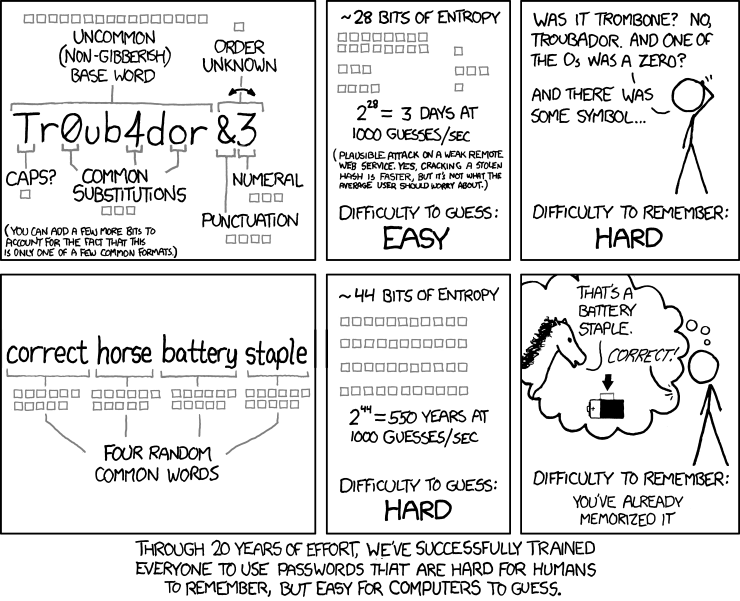
Me too. I also want to make some changes to it at the same time.
That's a cool pigeon.
I was looking to see if someone mentioned Helix. It has good defaults and useful features integrated out of the box.
Not related, but I like your reasoning on why C is superior.
So it became ubiquitous because it was ubiquitous.
Got it.